Nov 11, 2026
7 Best Drinks for Crispy Pizza
A well-made Roman pizza doesn't just call for any drink. Its airy base, crunchy crust, and slow 72-hour fermentation change the game: the best drinks for crispy pizza are those that refresh the palate without overpowering the flavor of the dough or competing with its toppings. The right choice makes every bite feel lighter, more flavorful, and, yes, much more Italian.
It's not about following a rigid rule. A pizza with mortadella, pistachio, and burrata isn't paired the same way as one with spicy pepperoni or roasted vegetables. The occasion matters too: lunch with friends, a date night dinner, or a long afternoon enjoying stuffed focaccia all call for different vibes. But there is one guiding principle: when facing a crispy pizza, look for freshness, bubbles, acidity, or measured bitterness.
What to look for in a drink for Roman pizza
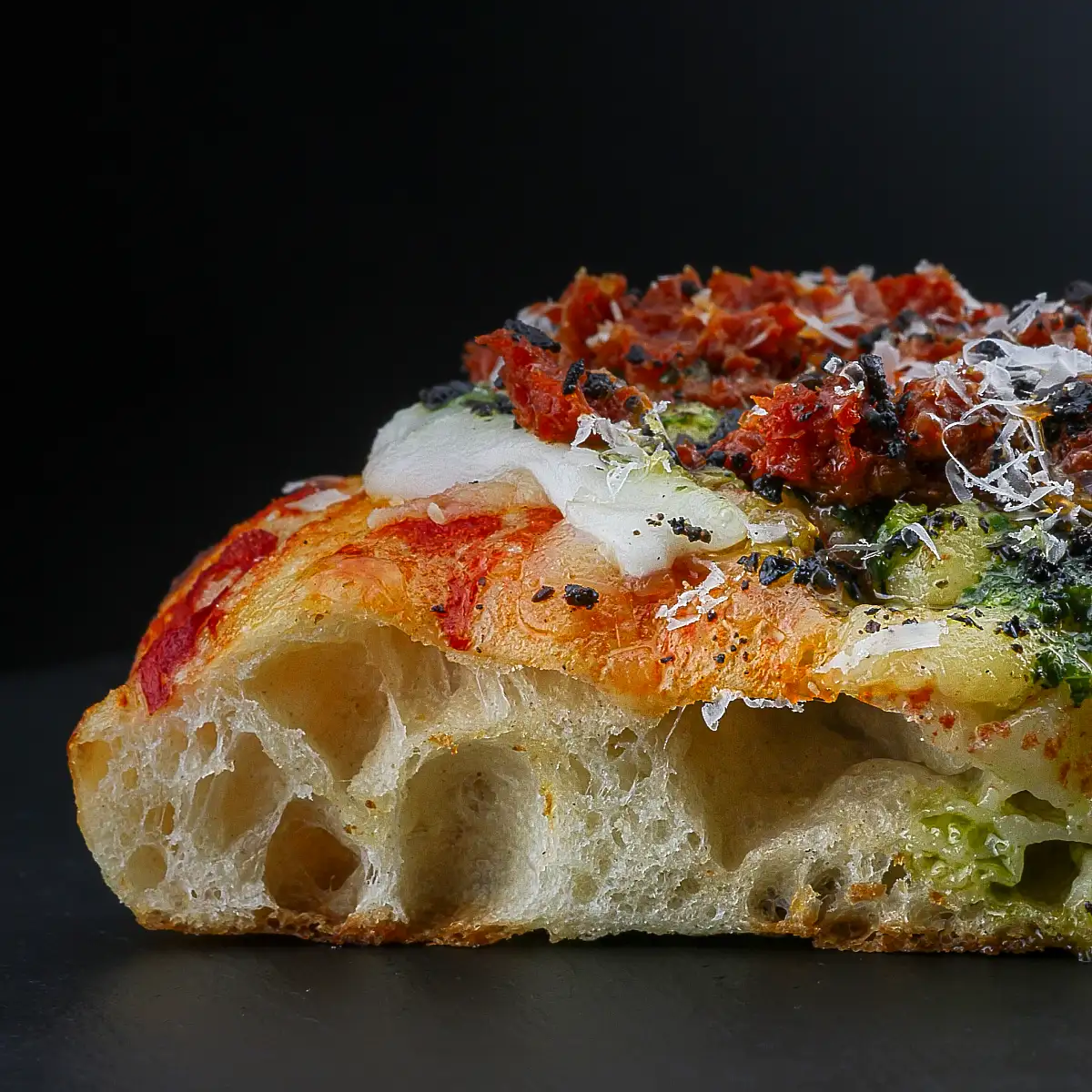
Pizza in teglia has its own personality. The dough is baked in a pan, achieving a firm, crispy base while maintaining a light crumb with large air pockets. That texture calls for a drink that cleanses the palate after the cheese, olive oil, and cured meats, without making the experience feel heavy.
That's why bubbles work so well. An ice-cold beer, a dry sparkling wine, or a bold spritz contrast with the pleasant richness of mozzarella and help ensure the next bite keeps its full impact. Acidity is an ally too: it cuts through rich sauces and awakens sweet ingredients, like ripe tomatoes, caramelized onions, or prosciutto.
In general, avoid overly sweet or highly alcoholic drinks. A cloying soda can mask the craft of artisanal dough. A spirit that's too strong can overpower a delicate pizza. The goal isn't to impress with what's in your glass: it's to make the pizza shine.
The best drinks for crispy pizza, by flavor profile
Lager or pilsner beer for the classics
A crisp lager or dry pilsner is the safest bet for a pizza with tomato, mozzarella, basil, ham, or vegetables. Its carbonation is refreshing, its bitterness is moderate, and its profile isn't intrusive. It's a great option if the table is sharing several pizzas and no one wants to overthink their order.
It pairs especially well with a Margherita featuring crispy edges or a prosciutto pizza. The tomato becomes more vibrant, the cheese feels lighter, and the bitter finish leaves you craving another slice. Serve it ice-cold, but not frozen: if it's too frosty, it loses its aroma and character.
IPA for pepperoni, salami, and spicy flavors
When spice comes into play, an IPA can be spectacular. The hops provide bitterness and citrusy or piney notes that pair nicely with pepperoni, salami, nduja, or hot honey. Plus, the carbonation cuts through the richness of cured meats and refreshes between bites.
There's a limit, though. If the pizza is very spicy, an intensely bitter IPA can heighten the heat rather than soothe it. In that case, opt for a lighter pale ale or a wheat beer. The perfect pairing isn't the most intense: it's the one that maintains balance.
Wheat beer for creamy pizzas
Wheat beers, like a weissbier, are a wonderful match for white pizzas with burrata, ricotta, mushrooms, potatoes, rosemary, or chicken. They have a smooth body, gentle carbonation, and notes reminiscent of bread, clove, or banana. That kinship with the dough makes everything feel well-rounded without feeling heavy.
They're also ideal for a stuffed schiacciata. When you have creaminess, melted cheese, and charcuterie all in the same bite, a wheat beer helps tone down the richness without diminishing the pleasure. Che buono.
Dry white wine for vegetables and mild cheeses
A crisp, dry white wine is an elegant choice for pizzas topped with zucchini, eggplant, asparagus, artichoke, pesto, or more delicate cheeses. Think of a Pinot Grigio, a Vermentino, or a citrus-forward Sauvignon Blanc. The acidity lifts the vegetables and keeps the palate awake.
This pairing makes sense when you want a lighter meal, an unhurried conversation, or a dinner where the pizza shares the spotlight with Italian appetizers. If there's pesto, the white wine should be crisp and not overly aromatic. A wine that's too flamboyant can clash with the herbs.
Dry rosé for mortadella, pistachio, and burrata
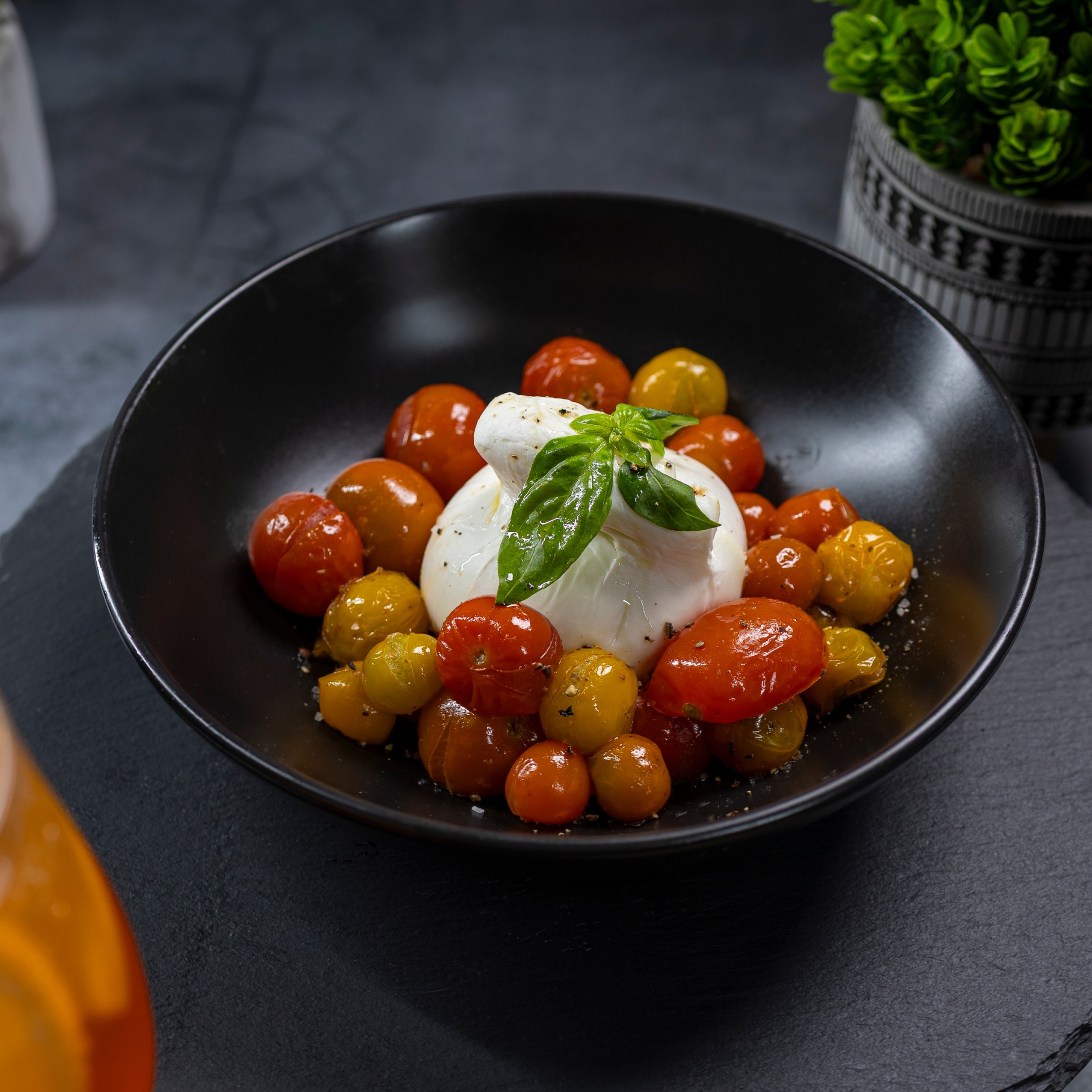
Dry rosé deserves more room at the pizza table. It offers the freshness of a white wine, just enough fruit to embrace savory ingredients, and a versatility that works wonders with mortadella, pistachio, burrata, prosciutto, and cherry tomatoes.
Its greatest strength is balance. It doesn't overpower the pistachio, it doesn't dull the delicacy of the burrata, and it complements cured meats without tipping into bitterness. For an afternoon outing with great light and a photo-worthy pizza, it's hard to ask for anything better.
Brut sparkling wine for a special occasion
A crispy pizza doesn't need an excuse to feel special, but a brut sparkling wine elevates the entire moment. Its fine bubbles cleanse the palate better than almost any drink, and its acidity pairs beautifully with mozzarella, Parmesan, cured ham, and even truffles.
Don't save sparkling wine just for formal celebrations. Order it whenever you want to turn a casual dinner into a memorable experience. The crispy texture of a Roman pizza and the fresh tension of a glass of brut have something in common: both feel precise, vibrant, and unforgettable.
Spritz for easygoing sharing
A spritz is social, vibrant, and quintessentially Italian. Its blend of bubbles, citrus, and gentle bitterness pairs with savory pizzas, focaccias, and appetizers without any pretension. It's a great choice for groups, especially when ordering several different flavor profiles.
Its ideal setting is a relaxed afternoon or an early dinner. That said, if the pizza features truffle, anchovies, or intense heat, reach for a beer or dry wine first. A spritz is incredibly refreshing, but its bittersweet profile can clash with dominant ingredients.
Non-alcoholic options that truly measure up
You don't need alcohol to pair with intention. Sparkling water with a squeeze of lemon is simple, effective, and excellent for any pizza, especially if you want to savor every detail of the dough. The bubbles cleanse the palate, and the citrus provides a clean contrast against the cheese and olive oil.
A lightly sweetened Italian limonata is also a great option with tomato, basil, and cured meat pizzas. For spicy flavors, go with a cold ginger beverage that has genuine acidity and moderate sweetness. Ginger is refreshing, but an overly sugary version can wear out your palate quickly.
Classic sodas can work with pizza, of course, but it pays to choose thoughtfully. If the pizza is bold and rich, a cola can feel familiar and satisfying. But if you're enjoying an artisanal pizza with delicate ingredients, sparkling water, a dry limonata, or a light non-alcoholic beer will show much more respect to the craft.
The order also changes the experience
If the table starts with stuffed focaccia, appetizers, or schiacciata, kick things off with a spritz, sparkling water, or a lager. When a creamy white pizza arrives, transition to a wheat beer or white wine. If the main event features pepperoni or spice, save the IPA or pale ale for that moment.
Sharing different drinks isn't complicated—it's part of the experience. At Bianka® Pizza Romana, a slow-fermented square pizza deserves an adventurous table eager to compare, taste, and find their favorite combination. That's the real joy of skipping the generic pizzeria.
Next time, don't just order out of habit. Look at the pizza, consider its star ingredient, and pick a drink that will make every crunch even more memorable.