Sep 12, 2026
Best Roman pizza flavors to try
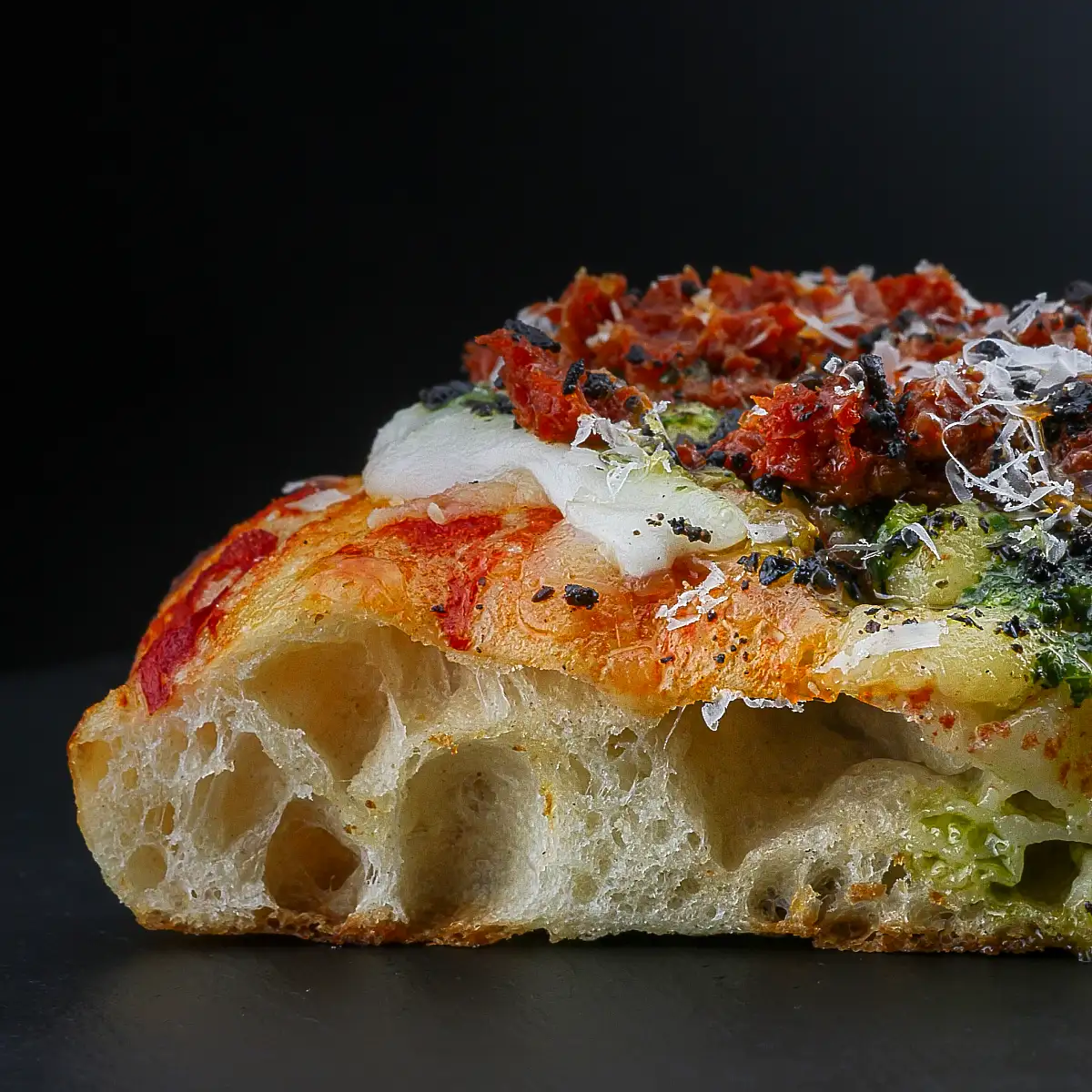
A good Roman pizza is recognized before the first bite: golden edges, crispy base, airy dough, and aromas that ask for a photo before disappearing. The best Roman pizza flavors are not reduced to putting Italian ingredients on a dough. They are born from the balance between a well-baked teglia, products with character, and combinations that respect the texture. Che buono.
Roman pizza in teglia style is served rectangular or square, cut into portions, and completely changes the traditional round pizza experience. Its dough usually goes through a long fermentation, such as the 72 hours that define a serious artisanal proposal. The result is croccante on the outside, light on the inside, and firm enough to support generous ingredients without losing its charm.
What makes a flavor work on Roman pizza
In this pizza, the dough is not a simple support. It has flavor, structure, and a texture that demands attention. That is why the most successful combinations do not saturate every centimeter with cheese or sauce: they let the oven, the olive oil, the acidity of the tomato, and the salty point of each ingredient do their work.
The timing when toppings are added also matters. Some preparations enter the oven from the start, such as mozzarella, potato, or roasted vegetables. Others shine when they are finished upon leaving, like mortadella, burrata, prosciutto, or fresh leaves. That contrast between hot dough and delicate product is part of the magic.
The ideal flavor depends on what you are looking for. If it is your first time, a classic option allows you to understand the quality of the dough. If you are coming with friends or want to turn a casual dinner into a memorable plan, it is best to order different portions and try contrasts: tomato and cheese, creaminess and pistachio, vegetables and cured meats, intense flavors, and fresher options.
Best Roman pizza flavors: the classics that never fail
Margherita or rossa with mozzarella
The Margherita is the trial by fire. It seems simple, but it does not forgive mistakes: it needs a lively tomato sauce, well-distributed mozzarella, fresh basil, and precise baking. When well made, each element appears clear and the dough retains its croccante.
The rossa version, without mozzarella or with a more contained amount, has another personality. The tomato takes center stage, normally with oregano and a good drizzle of olive oil. It is a great choice if you appreciate direct flavors and want to feel the baking character of Roman pizza without too many layers on top.
Patate e mozzarella
Potato and pizza might sound like an unexpected combination for anyone who only knows traditional menus, but in Rome it is well-known territory. Potatoes are sliced thin, seasoned with salt, oil, and sometimes rosemary, and baked until they are soft on top and slightly toasted on the edges.
With mozzarella, the result is comforting without being heavy if the dough has good fermentation. It is a friendly portion to share, perfect for those who want to step out of the predictable without jumping all at once to very distinct flavors. Its apparent simplicity is precisely its strength.
Funghi, sausage, and cheese
Mushrooms bring depth, moisture, and an earthy aroma that goes very well with melting cheeses. If combined with Italian sausage, a more intense, salty, and spiced profile appears. It is a pizza to arrive at hungry and order a drink that refreshes the palate.
Here is a key detail: an excess of ingredients can ruin the base. Mushrooms release water and sausage has fat, so a good execution requires proportion. When the balance is well resolved, each bite maintains the crispy base and the center full of flavor, not soggy.
Flavors with more character for a gastronomic outing
Mortadella, pistachio, and cream
This combination has presence. The mortadella is placed at the end to preserve its softness and aroma; the pistachio adds texture, toasted notes, and an elegant touch. Depending on the recipe, it can feature stracciatella, ricotta, or a cheese cream that unites all elements.
It is one of those portions that feel special from the first glance. The recommendation is to eat it freshly served, before the cream changes the temperature of the base. If you are drawn to the contrasts between salty, creamy, and crispy, this is one of the flavors you have to try.
Roman carbonara
Carbonara applied to pizza has to be treated with respect. It is not about bathing the dough in a heavy sauce. The correct inspiration plays with pecorino, egg, black pepper, and guanciale or a cured meat with a similar profile, seeking that flavorful and slightly spicy hit that distinguishes the Roman dish.
It is a hearty option, best shared with fresher or vegetable flavors. Ordering only very creamy preparations can quickly tire the palate. In contrast, alternating it with a rossa or with a portion of roasted vegetables turns the meal into a much more well-rounded experience.
Prosciutto, arugula, and burrata
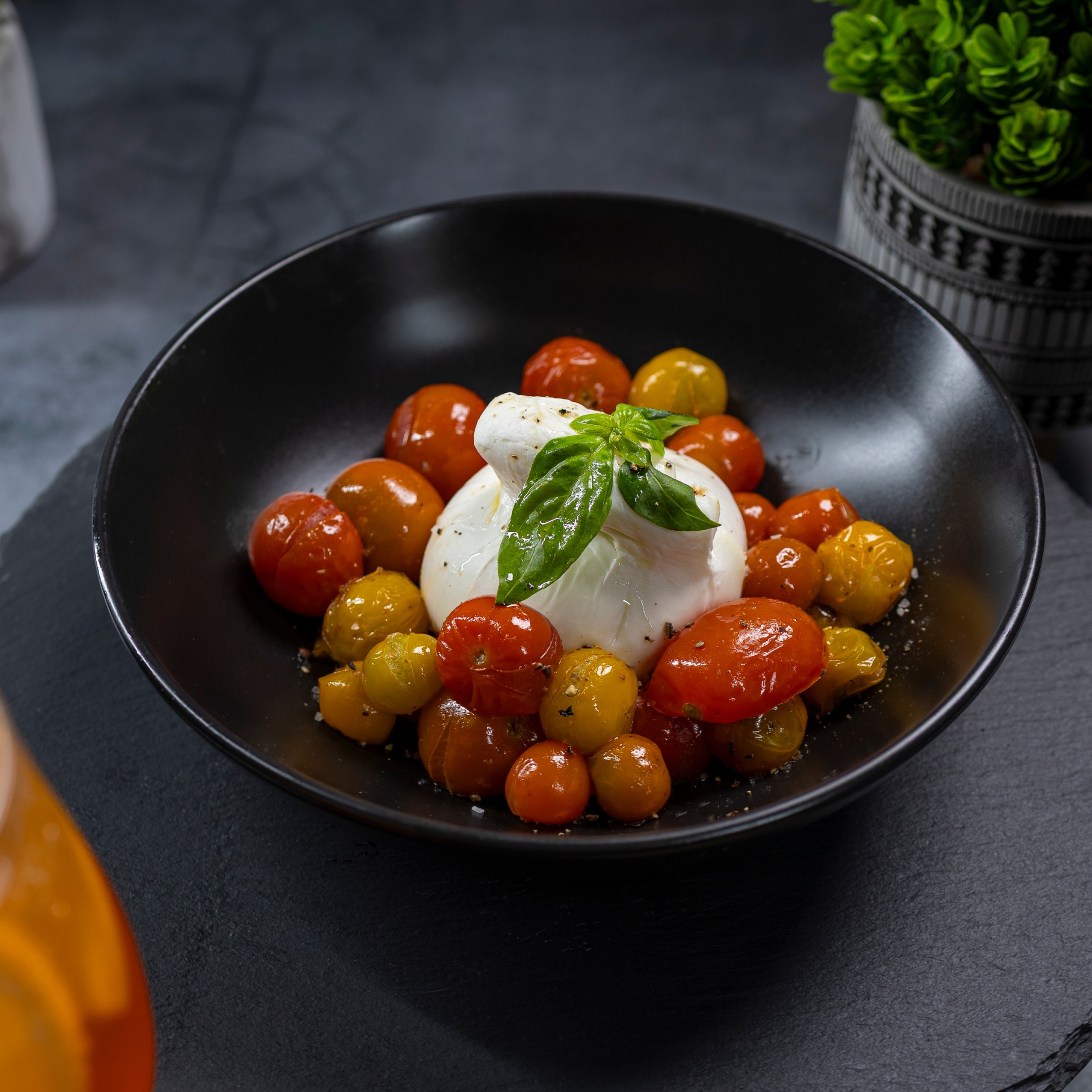
The pizza fresh out of the oven becomes a hot and crispy base for cold or fresh ingredients. The prosciutto adds intensity and a delicate saltiness; the arugula offers a clean bitterness; the burrata adds a milky creaminess that breaks when cutting the portion.
It is not the most traditional flavor for those looking for a strict interpretation of Rome, but it is a contemporary combination with impeccable logic. It works especially well for lunches, afternoons of conversation, or a dinner where you want something tasty without feeling excessively heavy.
Vegetable options that do not feel like a plan B
A well-thought-out vegetable Roman pizza can be as memorable as one loaded with cured meats. Artichokes, zucchini, eggplant, cherry tomatoes, caramelized onion, and mushrooms have a place in Italian tradition because they respond very well to the oven and olive oil.
The key lies in the treatment. A previously roasted eggplant has sweetness and depth; a thin zucchini retains freshness; artichokes bring a more intense vegetable note. With mozzarella, ricotta, or a touch of pecorino, these combinations gain body without losing clarity.
For a lighter choice, look for a pizza with vegetables, fresh herbs, and cheese in moderation. For a more indulgent alternative, choose roasted vegetables with cheese cream or burrata. Neither is automatically better: it depends on whether you want freshness or creaminess to rule.
How to order to taste more and choose better
The great advantage of pizza in teglia is that it invites sharing. Instead of committing to a single flavor, order several portions and set up a sequence. Start with a rossa or Margherita to feel the dough; continue with a potato or vegetable option; then move on to mortadella with pistachio, carbonara, or sausage with mushrooms.
There is no need to chase the most extravagant topping. An excellent flavor is noticed when the dough is still crispy, the cheese does not cover everything, and each ingredient has a reason to be there. If a portion arrives warm, you wait too long, or it is reheated without care, that texture that makes Roman pizza unique can lose strength.
In San Pablo de Heredia, Bianka® Pizza Romana proposes precisely that way of eating Italy: square portions, slow-fermentation dough, and flavors designed to surprise beyond the usual pizza. It is an ideal stop when the plan calls for something with identity, technique, and plenty of croccante.
Next time you have a craving, do not choose just out of habit. Order one portion that feels familiar and another that takes you out of your comfort zone. The best choice might be that combination of bright tomato, crispy dough, and a new flavor that makes you say, without a second thought, che buono.