Nov 9, 2026
How to Pair Italian Roman Pizza at Home
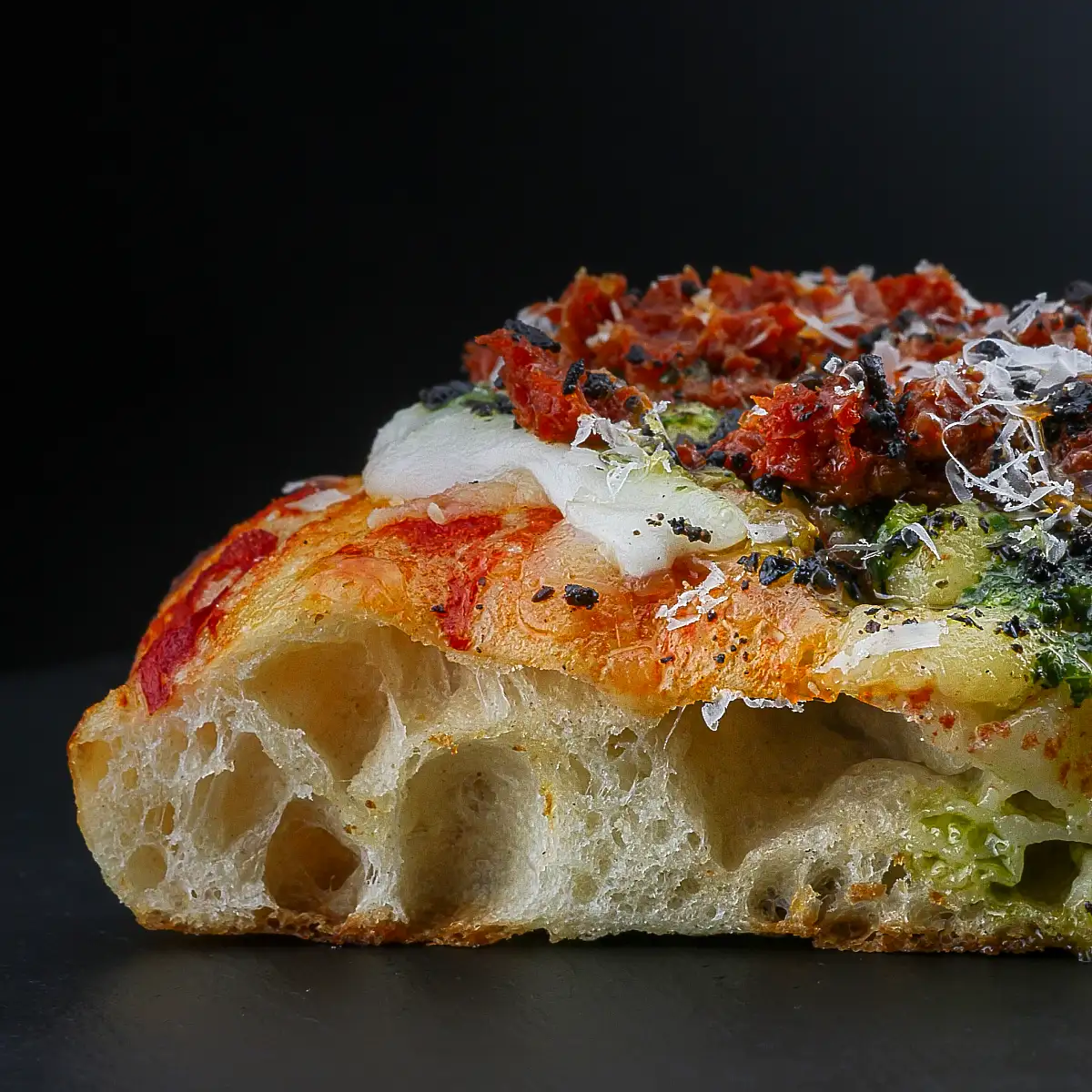
The answer to how to pair Italian Roman pizza starts with the bite, before anyone pours a glass of wine. A Roman pizza in teglia has a crisp base, an airy crumb and a long fermentation that builds flavor without making the dough heavy. That personality calls for drinks that refresh your palate, go with the toppings and respect the star: that golden, light and decidedly croccante crust.
Forget the rigid rule of white wine with everything light and red with everything bold. Pizza is a complete composition. There's acidity in the tomato, fat in the cheese, saltiness in cured meats or olives, sweetness in roasted vegetables and toastiness in the dough. A good pairing creates balance. A bad one buries the flavors or wears out your palate before the second slice.
How to pair Italian Roman pizza by its texture
Roman pizza in teglia doesn't behave like a traditional round pizza. Its dough, made with a long fermentation, has a lighter structure and a base with a toasty character. That changes the conversation: the ideal drink needs enough acidity, bubbles or freshness to cleanse your palate without erasing the flavor of the bake.
Bubbles work especially well because they lift the fat of the cheese and bring each bite back to life. That's why a well-chilled beer, a dry sparkling wine or even a citrusy non-alcoholic drink can be brilliant choices. The drink shouldn't compete with the dough. Its job is to let you feel that crunch again with every bite.
Temperature matters too. A wine served too warm tastes more alcoholic and heavier next to melted cheese. A beer that's too icy can lose its aroma, though it's still a great ally for spicier or more loaded pizzas. Aim for refreshing, and stop short of numbing.
Pizza with tomato and mozzarella: freshness that keeps it company
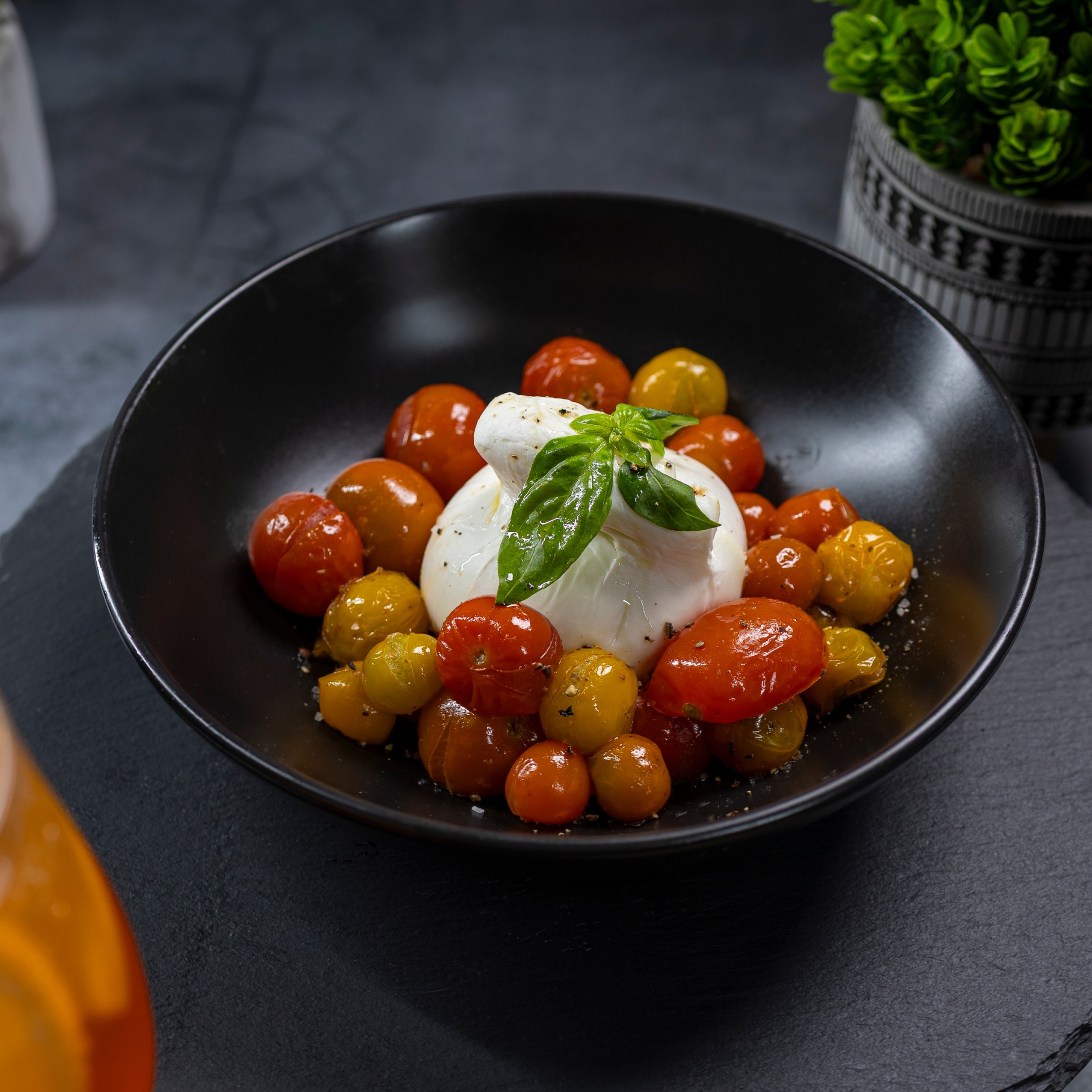
When the pizza has tomato, mozzarella and basil, the key is to follow the natural acidity of the sauce without making it harsh. A dry, lively Italian white, like a Pinot Grigio or a Verdicchio, offers subtle fruit, good acidity and a clean feel that doesn't take over. A brut sparkling wine is excellent too: its bubbles refresh the cheese and make the tomato taste brighter.
Prefer beer? Choose a pale lager, a pilsner or a pale ale with moderate bitterness. The beer should be light-bodied with a clean finish. A very intense IPA can overpower the basil and make the tomato taste more bitter, so save it for richer or spicier combinations.
For a non-alcoholic option, sparkling water with lemon works better than you'd think. Its bubbles cut the creaminess of the mozzarella while the citrus goes with the acidity of the tomato. Simple, direct and completely Italian in spirit.
The common mistake: reds that are too heavy
A very tannic Cabernet Sauvignon next to a classic tomato and mozzarella pizza usually tastes harsh. The tannins clash with the tomato's acidity and leave your mouth feeling dry. If you want red, go for a young, juicy, medium-bodied one served slightly chilled. A young Chianti or a Barbera can work very well when the sauce has depth and the cheese isn't overdone.
Bold cheeses and white pizza: creaminess with contrast
White pizzas, with no tomato sauce, change the game completely. Ricotta, mozzarella, provolone, gorgonzola or pecorino push the experience toward creaminess, salt and fat. Here you need a drink with high acidity or fine bubbles so the whole thing doesn't turn dense.
A dry Sauvignon Blanc is a safe choice, especially if there are green vegetables, mushrooms or fresh herbs. Its citrusy, herbal profile adds tension. If the pizza has stronger cheeses, a brut sparkling wine may be even better: it cleanses, refreshes and keeps the table moving.
With beer, a saison or a wheat beer makes an appealing match. Their gentle notes of grain, spice or fruit don't usually fight with the cheeses, and their carbonation helps a lot. Dark, sweet beers, on the other hand, only work if the pizza includes toasted ingredients, caramelized onion or speck. Otherwise, they weigh too much.
Cured meats, heat and big flavors: more character, not more alcohol
Pepperoni, salami, nduja, prosciutto, Italian sausage or chili peppers call for a drink that can answer salt, fat and heat. Many people reach for a high-alcohol red, but that isn't always the best move: alcohol amplifies the burn of the chili and can make the heat feel aggressive.
For spicy pizzas, a lager, a pilsner or a balanced pale ale make excellent companions. They cool, refresh and leave you room to keep enjoying. If you prefer wine, go for juicy reds with gentle tannins, like Barbera, young Sangiovese or a dry Lambrusco. Yes, Lambrusco: served well and dry, its bubbles, fruit and acidity make a spectacular answer to Italian charcuterie.
With prosciutto and arugula, the balance can tip toward a dry rosé. It has freshness for the arugula, fruit for the cured ham and enough presence to stand up to the toasty base. It's a bright pairing, perfect for a long afternoon with friends.
Roasted vegetables, mushrooms and seasonal flavors
Eggplant, zucchini, mushrooms, artichokes, caramelized onion and sun-dried tomatoes bring depth, natural sweetness and earthy notes. They don't need a heavy drink, but they do need one with more nuance than a very neutral white.
Mushrooms get along very well with a light Pinot Noir or a young red served a little chilled. Its delicate profile goes with the earthiness without flattening it. If there's caramelized onion, squash or other sweet ingredients, a white with texture, like a Chardonnay without too much oak, can give you an elegant contrast.
For a vegetable pizza with lots of fresh herbs, a saison beer or a mineral white wine works wonders. The point is to notice whether green, sweet or earthy flavors dominate. Pairing comes down to identifying which flavor speaks loudest in that slice, and you don't need to memorize labels to do it.
Filled focaccia and schiacciata: the filling decides
With filled focaccias and schiacciate, the dough has presence, but the filling decides the drink. If there's mortadella, pistachio and creamy cheese, a dry sparkling wine or a clean lager balances the fat and highlights the nuts. If porchetta, cured meats or spiced meats show up, a young high-acid red or a medium-bodied amber beer can keep up with more strength.
When the filling combines cheeses, vegetables and pesto, it's worth choosing fresh, aromatic drinks. A dry white, a wheat beer or sparkling water with citrus keeps the experience light. The idea is to keep a generous dish from feeling too heavy halfway through.
A well-paired table is built on contrast
If you're ordering several flavors, you don't need a perfect drink for each pizza. Pick two or three options that cover the table: a pale beer or dry sparkling wine for the cheese and tomato pizzas, a young red for cured meats and mushrooms, and a non-alcoholic option with bubbles and citrus. That way everyone can taste, compare and find their favorite combination.
That's part of the charm of sharing Roman pizza: cutting squares, switching flavors and talking about what happened between the crunch of the base, the topping and the last sip. At Bianka® Pizza Romana, a table with pizza in teglia deserves curiosity, appetite and a drink that measures up.
Next time, choose the pizza you're truly craving first. Then look for a drink that makes it taste fresher, more expressive or lighter. When the pairing makes you go back for another slice, you know you got it right. Che buono.